
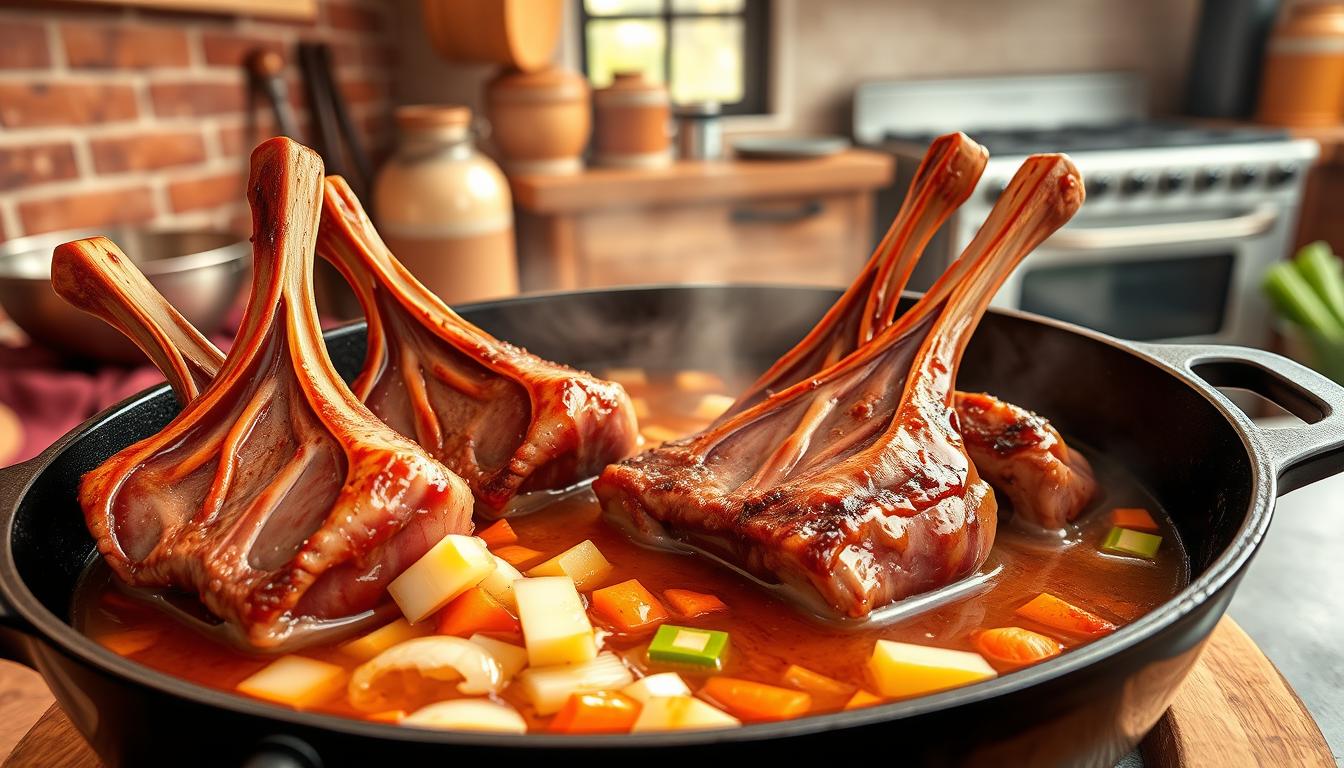
Beef shanks are a special cut of meat that make any meal stand out. They come from the leg muscles of cattle, a working area with lots of connective tissue and bone marrow—perfect for creating dishes that are rich, gelatinous, and full of flavor.
Because these cuts come from hardworking muscles, they have dense fibers and abundant collagen. With the right cooking—low, slow heat and enough moist braising liquid—these shanks transform into tender, fork‑falling meat that chefs and home cooks rely on for deep, comforting dishes.
Understanding how beef shanks behave in the pot is key: break down the connective tissue with time and gentle heat, and you’ll release rich savory flavors that make a memorable recipe or family meal.
Table of Contents
Understanding Beef Shanks: Location and Characteristics
Beef shanks are a distinct cut of beef taken from the leg—either the fore or hind leg—where the muscles work hardest. That constant movement produces meat rich in connective tissue and bone marrow, which gives shanks their deep, comforting flavor when cooked properly.
Because shanks come from the lower leg of cattle, the meat is dense and muscular. That structure creates a robust texture and flavor that rewards long, gentle cooking methods.
- Intense muscle density
- High concentration of connective tissue (collagen)
- Exceptional, marrow‑forward flavor when braised
Anatomy and Cut Location
The beef shank sits above the knee and below the brisket in the forequarter (fore shank) and similarly on the hind leg (hind shank). Cross‑cut shanks include a round bone with marrow in the center—this bone is a key flavor contributor during long, moist cooking.
Muscle Structure and Connective Tissue
Shanks are collagen‑rich. During low, slow cooking, collagen converts to gelatin, which softens the meat and creates a silky mouthfeel in the braising liquid. Think of shanks as a cut that needs time and gentle heat to reach peak tenderness and flavor.
Nutritional Profile and Benefits
Beyond flavor, beef shanks offer nutritional value: they supply high-quality protein and minerals such as iron and zinc, and the bone marrow contains fat‑soluble nutrients. For specific nutrient amounts per 100g (protein, iron, calories), consult USDA food data or your regional food database to match exact values.
The secret to beef shanks lies in their unique anatomical structure and cooking potential.
The Rich Flavor Profile of Beef Shanks
Edit
Delete
Beef shanks deliver a deep, savory flavor—think rich umami, pronounced beefiness, and a gelatinous mouthfeel from the converted collagen. Much of that character comes from the shank’s muscle structure and its proximity to bone and marrow, which both intensify the savory notes during long, moist cooking.
Several factors shape the final taste of your beef shank dish:
- Animal diet: Grass-fed beef often offers a cleaner, mineral-forward profile while grain‑finished beef can taste richer and slightly sweeter—both work well depending on the flavor you want.
- Muscle composition: Dense muscles concentrate savory compounds; more connective tissue means more gelatin in the braising liquid.
- Cooking method: Braising, slow cooking, or smoking develop different layers of flavor—searing first creates browned, caramelized notes; deglazing the pan with wine or stock lifts those browned bits into the sauce.
To maximize flavor in your next beef shank recipe, start by searing to create a brown crust, then deglaze the pan with a splash of wine or beef stock, and finish with a long, gentle braise so the collagen becomes luscious gelatin. Even 10–15 minutes of high-heat searing makes a big difference before you add the braising liquid.
Professional chefs recommend selecting high-quality, pasture-raised beef shanks to maximize flavor complexity and nutritional value.
Try recipes that highlight marrow and gelatin—classic osso buco or a slow-braised shank with red wine—to experience the cut’s full depth. These techniques turn a humble cut into a show-stopping, flavor-forward main.
Best Cooking Methods for Tender Results
To turn tough beef shanks into fall‑apart tender plates, choose moist, low‑and‑slow methods that convert collagen into silky gelatin. The right technique — braising, slow cooking, or pressure cooking — plus proper searing and enough braising liquid are the keys to success.
Pick the method that fits your schedule and desired flavor: oven braising for deep, concentrated sauces; slow cooker for hands‑off convenience; pressure cooker when time is tight but you still want tender results.
Braising Techniques
Braising is the classic route for braised beef shanks and braised beef dishes. Follow these steps and timing guidelines by weight:
- Sear well: Pat shanks dry, season, and sear in hot oil in a heavy‑bottomed dutch oven or cast‑iron pan until deeply browned — 3–4 minutes per side. Browning creates those prized browned bits to deglaze.
- Deglaze: Remove shanks, add 1 cup of wine or beef stock to the hot pan and scrape up browned bits — this builds flavor in the sauce.
- Add braising liquid: Return shanks and add enough liquid to come about two‑thirds up the meat (roughly 2–3 cups per 2 shanks).
- Oven time & temp by size: Preheat oven to 325°F (163°C). For 1–1.5 lb shanks, braise 2.5–3 hours; for 1.5–2.5 lb, braise 3–4 hours. The meat is done when it’s fork‑tender and starts to fall from the bone.
- Finish sauce: Remove shanks, skim fat if desired, reduce the braising liquid on the stovetop to concentrate flavor, and adjust seasoning.
Slow Cooking Guidelines
Slow cooker beef shanks are perfect when you want a set‑and‑forget option. Use low heat for best texture and flavor development.
- Brown shanks in a hot pan first (this step takes 6–8 minutes total) to develop flavor.
- Place shanks, aromatics, and 2–3 cups of braising liquid into the slow cooker.
- Cook on LOW for 6–8 hours (or HIGH for 3–4 hours) until fork‑tender. Timing varies with shank size and cooker model.
- Check for tenderness before serving; remove and rest meat 10–15 minutes to let juices redistribute.
“The secret to perfect beef shanks is patience and low, slow cooking.” – Professional Chef
Pressure Cooking Tips
Pressure cooking shanks saves time while achieving tenderness similar to long braises. Use these tips for best results.
- After searing, add at least 1–1.5 cups of liquid to the pot to ensure proper steam and pressure.
- Cook time: For typical 1–2 lb shanks, pressure cook 45–55 minutes at high pressure. Larger pieces may need closer to 60 minutes.
- Use natural release (15–20 minutes) for the most tender result; quick release can make meat firmer.
Pro tip: Whichever method you choose, use a meat thermometer for consistency (target is tenderness rather than a temp, but the meat should be safe to 145°F minimum before resting). Let the shanks rest 10–20 minutes after cooking so juices settle.
Common mistakes to avoid: overcrowding the pan when searing (prevents browning), adding too little liquid, lifting the lid too often during braising, and skipping the deglaze step that turns browned bits into sauce.
Classic Beef Shanks Preparations Around the World

Edit
Full screen
Delete
Beef Shank International Cuisine
Beef shanks are celebrated globally for their ability to transform into rich, comforting dishes—thanks to marrow, collagen, and long, slow cooking. Across cultures, shanks appear in braises, stews, and soups that showcase the cut’s deep flavor.
In Italy, osso buco traditionally uses veal shank, but beef shank is a common and delicious substitute. The classic method browns the shank, then braises it with onions, carrots, celery, white wine, and herbs; it’s finished with a bright gremolata to balance the richness.
- Italian Osso Buco: Braised beef shanks (or veal) finished with gremolata and served with polenta or risotto
- Pakistani Nihari: A slow, spicy beef shank stew seasoned with warming whole spices and cooked until the meat is falling off the bone
- Filipino Bulalo: A clear beef shank soup that highlights bone marrow, simmered with corn, cabbage, and root vegetables
Nihari showcases how spices and long simmering turn shanks into a deeply flavored stew—traditionally eaten in the morning in some regions. Bulalo emphasizes the bone and marrow, pairing the meat with simple aromatics like onion and plenty of water or broth for a clear, nourishing soup.
These dishes illustrate two things: slow cooking extracts marrow and gelatin that amplify taste, and the right supporting ingredients (white wine or bold red for braises, whole spices for stews, or simple vegetables for soups) complete the flavor profile. Try a braised beef shanks recipe with carrots and onions to experience the cut’s full potential.
“Great cooking is about transformation – turning tough ingredients into culinary masterpieces.”
Whether you pick an Italian braise, a South Asian stew, or a Filipino soup, beef shanks reward time and gentle heat, giving you a dish with deep, satisfying character.
Essential Ingredients and Seasonings for Beef Shanks
Making a flavorful beef shank stew depends on choosing ingredients that build layers: aromatics for the base, liquids to extract and carry gelatin and marrow, and herbs/spices to finish. The right combination brings out the best in this economical cut.
Below are practical ingredient guidelines and simple quantity notes to help you plan (approximate amounts for 2–3 shanks / 2–3 lb total):
Aromatics: The Flavor Base
Start with a classic mirepoix and don’t skimp on garlic—the aromatics form the stew’s backbone:
- 2 medium sweet yellow onions, diced
- 2–3 medium carrots, cut into chunks
- 2 celery stalks, sliced
- 4 garlic cloves, smashed or minced
Liquid Magic: Creating Depth
Liquids extract marrow, dissolve gelatin, and become your sauce. Aim for roughly two‑thirds coverage of the meat in your pot.
- Beef stock or broth: about 2–3 cups (use more if making a soup-style dish)
- Dry red wine (or dry white for osso buco variations): 1 cup to deglaze the pan and add acidity; alcohol will mostly cook off during braising
- Optional: 1 cup robust tomato sauce or a splash of dark beer for added complexity
Herbs and Spices: The Finishing Touch
Layer herbs and spices thoughtfully—whole aromatics early, fresh herbs near the end. Season gradually and taste before serving.
- 2–3 sprigs fresh rosemary or 1 tsp dried
- 2–3 sprigs fresh thyme (or 1 tsp dried)
- 2 bay leaves
- Cracked black pepper and kosher salt to taste (season lightly early; finish before serving)
Practical swaps and notes: if you prefer no alcohol, substitute extra beef stock plus a tablespoon of red wine vinegar for brightness. Use olive oil for searing. For a thicker sauce, remove shanks when done and reduce the braising liquid on the stovetop for 5–10 minutes.
Shopping list (quick): onions, garlic, carrots, celery, beef stock/broth, 1 cup wine (or stock substitute), rosemary, thyme, bay leaves, kosher salt, and a good neutral oil for searing. These pantry items will set you up for multiple recipes using beef shanks.
The Art of Braising Beef Shanks
Braising beef shanks is part technique, part patience. This method transforms a tough, collagen‑rich cut into succulent, melt‑in‑the‑mouth meat by combining high‑heat searing with long, gentle braising in a heavy pot.
Before you begin, gather a few essential tools and plan the timing so your braised beef shanks turn out perfectly:
- A heavy‑bottomed dutch oven or cast‑iron pot for even heat distribution
- High‑quality beef shanks (cross‑cut with bone and marrow for best flavor)
- Neutral oil or olive oil for searing
- Basic aromatics and herbs (onion, carrot, celery, garlic, thyme, bay leaves)
Searing is the flavor foundation: pat shanks dry, season with salt and pepper, heat oil until shimmering, then sear each side until a deep, golden crust forms. Those browned bits on the bottom of the pan are full of flavor—deglaze them with a splash of wine or beef stock to capture that richness in your braising liquid.
Braising follows two stages: first a short, high‑heat sear, then a long, low‑temperature cook that converts collagen to gelatin and tenderizes the meat.
- High‑heat searing to build flavor (3–5 minutes per side)
- Low‑and‑slow braise to break down connective tissue
Oven settings and timing (guidelines): preheat the oven to 325°F (163°C). For most 1–2 lb cross‑cut shanks, braise 2.5–3.5 hours; larger shanks or whole pieces may need 3.5–4 hours. The true test is fork tenderness—the meat should pull away from the bone easily.
When the meat is done, lift the shanks from the liquid and tent to rest for 10–20 minutes. Meanwhile, reduce the braising liquid on the stovetop to concentrate flavor (5–15 minutes), skim excess fat if desired, and adjust seasoning.
“Braising is the alchemy that turns tough meat into a culinary masterpiece.” – Professional Chef
Common pitfalls and quick tips: avoid overcrowding the pan when searing (work in batches), don’t skimp on liquid (aim for two‑thirds coverage), keep the lid snug during the oven time, and remember that gentle, even heat is what makes braised beef shanks truly tender.
For an easy reference, consider keeping a braising checklist by your stove: sear, deglaze with 1 cup wine or stock, add 2–3 cups braising liquid, cover, and braise at 325°F until fork‑tender. This simple routine will yield consistent, delicious braised beef every time.
Selecting and Storing Quality Beef Shanks
Choosing and storing beef shank meat correctly sets you up for a great braise. The right selection at the counter and proper handling afterward preserve flavor, texture, and safety—so your finished dish shines.
When selecting beef shanks, inspect appearance and texture. Look for these reliable signs of quality:
- Deep, cherry‑red color that indicates freshness
- Minimal surface moisture—avoid overly wet packages
- Even marbling and firm texture (some marbling helps flavor)
- Clean, intact bone with visible marrow for best taste in braises and soups
Shopping Guidelines
Cross‑cut (bone‑in) shanks are ideal for braising because the round bone adds marrow and flavor; boneless shanks are useful for quicker applications. When buying, feel free to ask your butcher about the cut and recommended cooking uses.
| Cut TypeRecommended UsageStorage Duration | ||
| Bone-in Shanks | Slow cooking, braising | 2-3 days refrigerated |
| Boneless Shanks | Quick cooking methods | 1-2 days refrigerated |
Storage Best Practices
Store beef shanks at refrigerator temperatures below 40°F (4°C). Transfer them to the fridge as soon as possible after purchase and keep them wrapped tightly—vacuum sealing is ideal; otherwise double‑wrap in plastic and butcher paper to limit air exposure.
- Refrigerator storage: 2–3 days maximum at ≤40°F (4°C)
- Freezer storage: up to 4 months in airtight or vacuum‑sealed packaging
- Thawing: thaw slowly in the refrigerator (24 hours for several pounds) or use a cold‑water bath changed every 30 minutes for faster thawing
- Refreezing: avoid refreezing previously thawed meat for best quality—if necessary, follow safe handling guidelines and use quickly
Pro tip: Date and label frozen packages, and vacuum‑seal when possible to prevent freezer burn. For an at‑a‑glance checklist, keep storage temps and recommended times posted in your kitchen or bookmark a USDA food‑safety resource for reference.
Perfect Side Dishes and Wine Pairings
Edit
Full screen
Delete
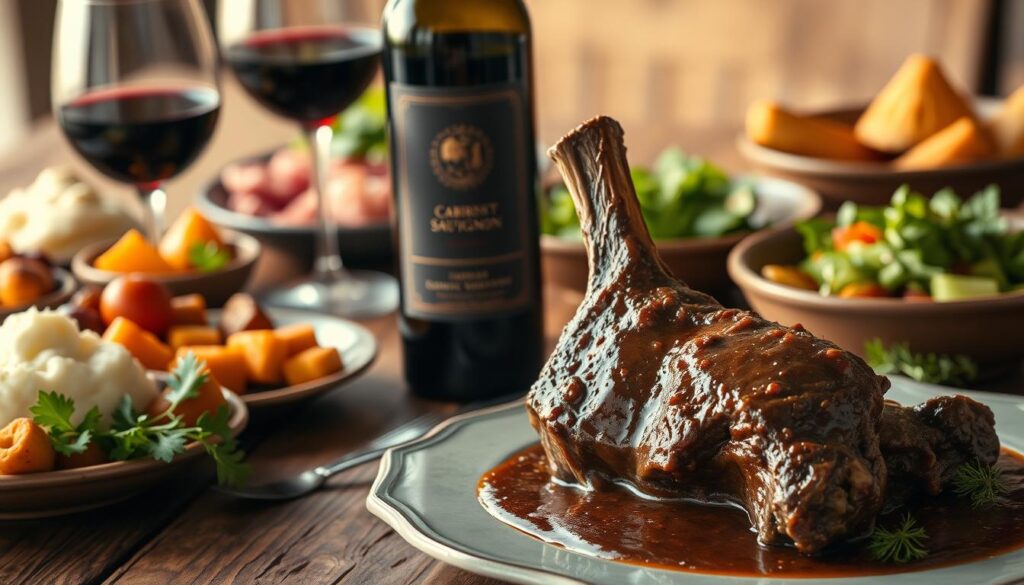
Beef Shank Recipe Side Dishes and Wine Pairing
Improving your beef shank recipe goes beyond the main protein—right side dishes and thoughtful wine pairings turn a hearty braise into a memorable meal. Choose sides that either soak up the braising sauce or provide a bright contrast to the rich, gelatinous meat.
Classic side dishes that work beautifully with beef shanks (with quick prep notes):
- Creamy Polenta: Ready in about 20–30 minutes; its soft texture soaks up braising liquid perfectly.
- Roasted Root Vegetables: Toss carrots, parsnips, and turnips with oil and roast 30–40 minutes for an earthy, caramelized counterpoint.
- Saffron Risotto: A luxe pairing (30–35 minutes active), its creamy richness matches the depth of braised beef.
- Garlic Mashed Potatoes: Quick and comforting (20–25 minutes); the smooth potatoes are ideal for sopping up sauce.
Why wine matters: the tannins in bold red wines cut through the meat’s richness and balance its gelatinous mouthfeel. Consider these classic matches:
- Cabernet Sauvignon: full‑bodied with firm tannins that stand up to rich, fatty braises
- Syrah / Shiraz: spicy, peppery notes complement heavily seasoned or peppery braises
- Malbec: plush fruit and smooth tannins that echo the meat’s richness without overpowering it
Pairing logic and menu idea: tannic wines like Cabernet bind with fats and gelatin to cleanse the palate, while fruitier reds like Malbec emphasize the braise’s savory‑sweet notes. Example menu: light seasonal salad starter, braised beef shanks with garlic mashed potatoes and roasted carrots, and a bottle of Malbec or Syrah—finish with a simple dessert to round the meal.
Vegetarian alternative: serve braised shank sauce over creamy polenta alongside a roasted Brussels sprout and beet salad for a balanced plate that still highlights the sauce. Experiment with combinations to find your favorite pairing.
Conclusion: Making the Most of This Versatile Cut
Beef shanks are an affordable, flavor-forward cut that rewards attention and time. Whether you’re a home cook or an aspiring chef, a well-executed braise or slow cook can turn these humble beef cuts into an impressive family meal.
Don’t be afraid to experiment: braised beef in a heavy dutch oven, set-and-forget slow cooker recipes, or even smoked beef shanks all deliver different kinds of depth. Try finishing a braise with a splash of wine and a short reduction on the stovetop to concentrate the sauce.
Quick next steps checklist: shop for quality shanks, sear well, deglaze the pan with 1 cup wine or stock, braise in a 325°F oven until fork‑tender (allow several hours depending on size), then let meat rest 10–20 minutes before serving.
Want a shortcut? Try one of our tested recipes and printable shopping lists to get started—then make the dish your own. Share your results or photos in the comments so other readers can learn from your tweaks and pairings.