
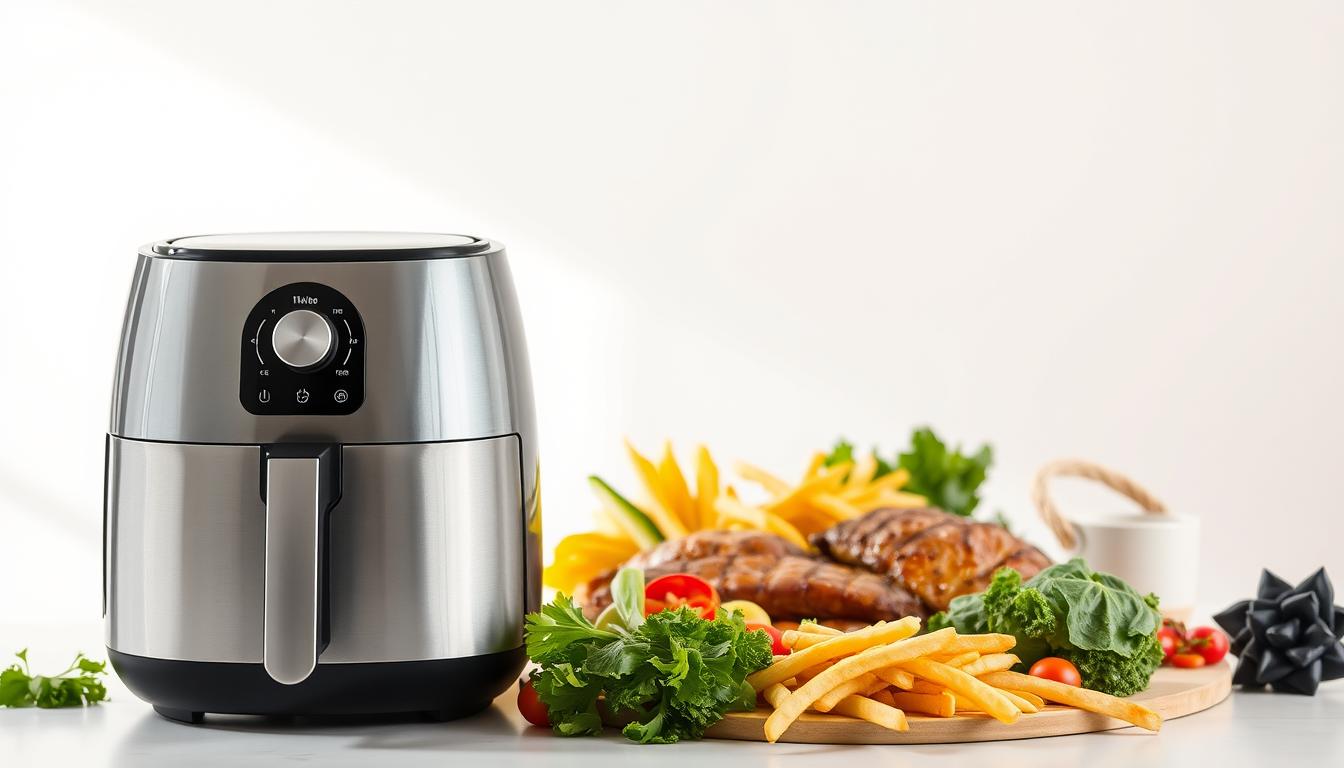
What can you cook in an air fryer: This compact kitchen appliance has quietly transformed home cooking. The air fryer delivers crispy, flavorful results using very little oil—think golden fries in about 10 minutes—making it perfect for busy families, novice cooks, and seasoned chefs alike.
Once you explore what an air fryer can do, you’ll see it covers breakfast through dinner: bake, roast, and even lightly fry many favorites. Air fryer recipes are often faster and healthier than deep-fried alternatives, helping you prepare delicious meals with less mess.
Air fryers use concentrated hot air to brown food evenly, creating a crisp exterior and juicy interior. This guide walks through how they work, what to cook, timing and temperature tips, maintenance, and ideas to get the best results from your air fryer.
Table of Contents
Understanding Your Air Fryer and How It Works
Air fryers have reshaped home cooking by giving you a way to make crispy foods without oil or with very little oil. This countertop appliance uses focused hot air and convection principles to brown and crisp food while keeping interiors tender—great for everyday meals and healthier takes on fried favorites.
Modern air fryers combine a compact design with powerful heating and smart controls so you can get consistent results across many recipes. Different models trade off capacity, presets, and price, so features and performance vary—see our buying guide for model-level details.
The Magic of Hot Air Circulation
Unlike traditional deep frying, an air fryer uses rapidly circulating hot air to transfer heat to the food surface. This creates the Maillard reaction—the chemical browning that generates rich flavor and a golden crust—without submerging food in oil. The main parts that make this work are:
- Powerful heating element (provides the heat)
- High-speed air circulation fan (moves hot air evenly)
- Perforated cooking basket or tray (allows air to contact all sides)
Typical cooking temperatures range from roughly 200–400 degrees Fahrenheit on most models, with delicate foods cooked lower and crispy items toward the top of that range. Note that exact temps and best practices can vary by air fryer model and basket design (mesh baskets encourage more even browning than solid trays).
Why Air Fryers Are Perfect for Beginners
Air fryers are user-friendly appliances that remove much of the guesswork from cooking, so they’re ideal for people new to the kitchen as well as busy home cooks.
- Preset cooking programs — select a preset for fries, chicken, or fish and the fryer sets time and temperature for you
- Digital temperature controls — precise temps make it easier to follow recipes and avoid overcooking
- Easy-to-clean surfaces — removable, dishwasher-safe baskets and nonstick coatings speed up cleanup
- Compact kitchen footprint — countertop models save space while still handling family-sized meals
These features mean you can get consistent results fast — keep in mind not every model has every feature, so check specs and price when choosing a unit that fits your needs and mind for convenience.
Getting Started with Your First Air Fryer Meal
Starting your air fryer recipes journey is exciting and approachable. The first steps—unboxing, cleaning, and proper placement—set you up for great, consistent results.
Before you fire up the machine, follow these practical steps:
- Carefully unpack your air fryer and confirm all parts and accessories are present
- Wash removable parts (basket, tray, and drawer) with warm, soapy water and dry thoroughly
- Place the unit on a flat, heat-resistant countertop and leave clearance around it for ventilation (check your model’s manual; 4–6 inches is common)
- If your model recommends preheating, run it empty for 3–5 minutes at the cooking temperature to burn off any manufacturing residue
Proper placement is crucial—an air fryer needs room for hot air to circulate around the basket to cook evenly. Treat the unit like a small oven and avoid enclosing it in cabinets while operating.
“Understanding your appliance’s cooking method is the key to great air fryer recipes.” — Cooking Professional
When you’re ready to cook, these simple habits will improve every recipe:
- Don’t overcrowd the basket—leave space between pieces so hot air can circulate
- Use a light spray or small brush of oil for better browning when needed
- Shake, flip, or rotate the basket halfway through cooking for even coloring
- Adjust times based on basket size and model—smaller baskets cook faster than larger ones
| Beginner-Friendly Air Fryer TipsRecommendation | |
| First Recipe | Frozen French Fries |
| Recommended Temperature | 400°F (typical; check your model) |
| Typical Cooking Time | 10–12 minutes (varies by basket and brand) |
Start with simple recipes—frozen fries or chicken tenders are perfect first tests. As you gain confidence, experiment with temperature and time adjustments specific to your model and basket design. For more beginner-friendly ideas, check our recipe collection and the “What Can You Cook” section below.
What Can You Cook in an Air Fryer
Discover how versatile an air fryer can be: it’s not just for snacks. This countertop appliance handles breakfast, lunch, and dinner—producing crispy, flavorful food with minimal oil so you can enjoy familiar favorites in a healthier way.
Breakfast Options to Start Your Day
Air fryers make morning routines simpler with quick, hands-off breakfasts. Try these ideas—each one is fast and forgiving for beginners.
- Frittatas filled with herbs and cheese — cook at about 350°F for 8–12 minutes depending on size
- Crispy Scotch eggs with soft yolks — bread and air-fry at 375°F for ~10–12 minutes until golden
- Sticky pecan rolls — bake at 350°F for 6–8 minutes for a quick bakery-style treat
Lunch and Dinner Main Courses
Your air fryer can tackle hearty mains that satisfy the whole family. Below are reliable options with quick notes to get you started.
- Crispy chicken tenders — 380°F for 10–12 minutes; flip or shake halfway through for even crisping
- Flavorful salmon with a brown-sugar glaze — 375–390°F for 8–10 minutes depending on fillet thickness (target 145°F internal)
- Tender keto-friendly pork chops — 375°F for 12–15 minutes; rest before slicing
- Breaded eggplant Parmesan — 370–380°F for 10–14 minutes; finish with marinara and a quick broil if your model supports it
- Seared rib-eye steak — many models can cook steaks to your desired doneness in 8–12 minutes; watch thickness and use a meat thermometer for best results
Snacks and Appetizers
From party bites to after-school snacks, the air fryer excels at shareable, crunchy appetizers that take minutes—not hours—to prepare.
- Cream cheese–stuffed mini peppers — 350–360°F for 6–8 minutes
- Crispy fried pickles — 375°F for 6–8 minutes; serve with a tangy dip
- Golden fried ravioli — 375°F for 6–7 minutes for a crunchy exterior and melty filling
- Quick caramelized bananas — 350°F for 4–6 minutes for an easy dessert or topping
Vegetarian option: try roasted cauliflower steaks or stuffed portobellos for a main course that’s just as satisfying. For each dish, remember that basket size and model features affect timing—smaller baskets often cook faster, and models with adjustable racks or trays behave more like an oven.
There’s almost no limit to what you can cook in an air fryer. For curated inspiration, check our recipe collection and a roundup of the best air fryers for home cooks at different price points and capacities.
Crispy Proteins Without the Oil
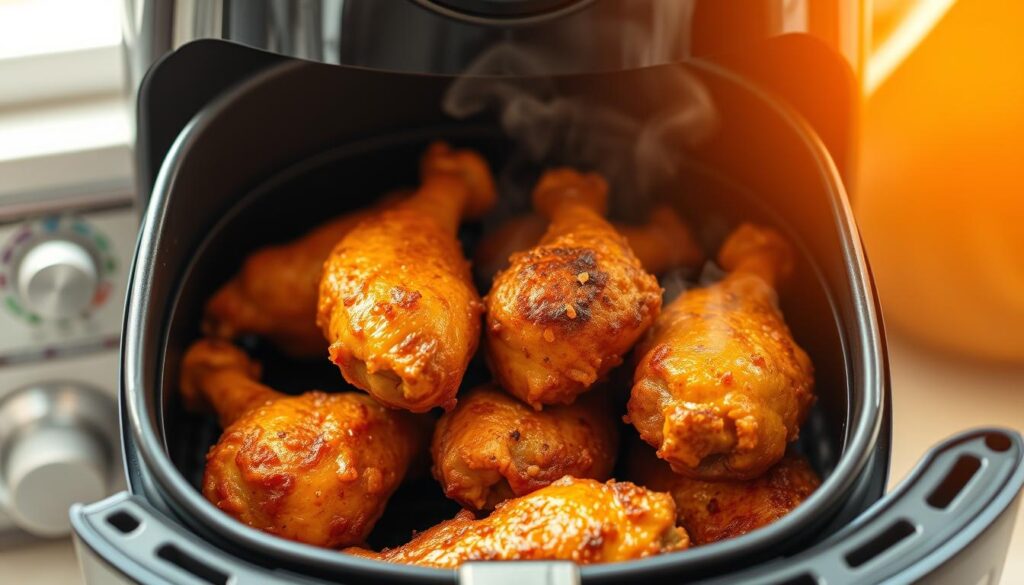
Air Fryer Chicken Cooking
Air frying transforms how you prepare proteins: with focused hot air and the right technique you get a crisp exterior and juicy interior using minimal oil. This approach delivers flavorful, lighter meals that suit everyday home cooking and healthier menus.
Air fryer chicken is a reliable starting point. Whether you’re making breasts, thighs, or a small roast, the air fryer helps protect moisture while building a golden crust—great for family dinners or meal prep.
- Boneless chicken thighs: 380°F for 12–15 minutes (target 165°F internal)
- Chicken breasts: 360–375°F for 10–14 minutes depending on thickness (use a thermometer)
- Whole roast chicken: follow your model’s capacity limits; a small bird can take 45–60 minutes at lower temps—check manufacturer guidance
Beyond chicken, your air fryer excels with many proteins—use higher temps for quick searing and lower temps for thicker cuts. Small changes in basket layout or tray position affect airflow and browning, so adjust times slightly by model and basket size.
- Burger patties — 375–390°F for 6–10 minutes, flip once for a nice crust
- Salmon bites — 375–390°F for 8–10 minutes (remove at 145°F internal for safe, flaky fish)
- Homemade fish sticks — 400°F for 8–10 minutes for golden breading
- Meatballs — 375°F for 10–15 minutes depending on size; use a thermometer to confirm doneness
The secret is hot air circulation creating the Maillard reaction—the same browning that builds deep flavor in a pan or oven. For best results, preheat if your manual recommends it, avoid overcrowding the basket, and use a light coating of panko or oil spray for extra crunch when needed.
Pro tip: Use a meat thermometer—poultry should reach 165°F— and leave space in the basket so hot air can reach every surface for even crisping.
Try a signature air fryer chicken recipe from our collection to practice timing and temperature with your specific model. As you test, note how your basket and model affect cook times so you can dial in consistently excellent results.
Perfectly Roasted Vegetables in Minutes
Air fryers turn ordinary vegetables into crispy, caramelized sides in a fraction of the time an oven needs. With concentrated hot air circulation, you get a tender interior and flavorful browned edges—perfect for quick weeknight meals or a healthy addition to any plate.
Using an air fryer for veggies speeds up prep and enhances natural sweetness while keeping dishes light and nutritious. Small adjustments to cut size, oil, and seasoning make a big difference in texture and flavor.
Best Vegetables for Air Frying
Some vegetables respond especially well to air frying because they crisp up nicely and develop deep, roasted flavor:
- Broccoli and cauliflower — florets roast quickly to a crisp at the edges
- Root veggies like carrots and potatoes — cut into even pieces for consistent doneness
- Bell peppers — char and soften without becoming soggy
- Brussels sprouts — develop a sweet, nutty crust when halved
- Asparagus — cooks fast and stays tender with a slight snap
Seasoning Tips for Maximum Flavor
Small seasoning choices elevate air fryer vegetables—use these simple techniques for big flavor.
- Toss vegetables with a light coating of olive oil or use an oil spray for a low-fat option
- Experiment with herb blends (rosemary, thyme, smoked paprika) for savory depth
- Combine unexpected flavors like orange zest and a drizzle of hot honey for contrast
- Season with salt and pepper just before cooking if using coarse salt; for fine salt, you can season earlier but pat veggies dry first
“The secret to amazing air fryer vegetables is all in the preparation and seasoning!” – Home Cooking Enthusiast
Mini recipe: Roasted Brussels sprouts — halve, toss in 1 tsp olive oil per cup, season, and air fry at 375°F for 12–15 minutes, shaking the basket once. For broccoli, try 375°F for 8–10 minutes. Use an oil spray for delicate items like asparagus to avoid overcoating the basket.
Pro tip: Cut vegetables into similar sizes for even cooking, and shake or stir the basket halfway through to promote uniform browning. For more vegetable recipes and menu ideas, see our recipe collection and the vegetarian-friendly mains in the “What Can You Cook” section.
Quick Air Fryer Dinners for Busy Weeknights
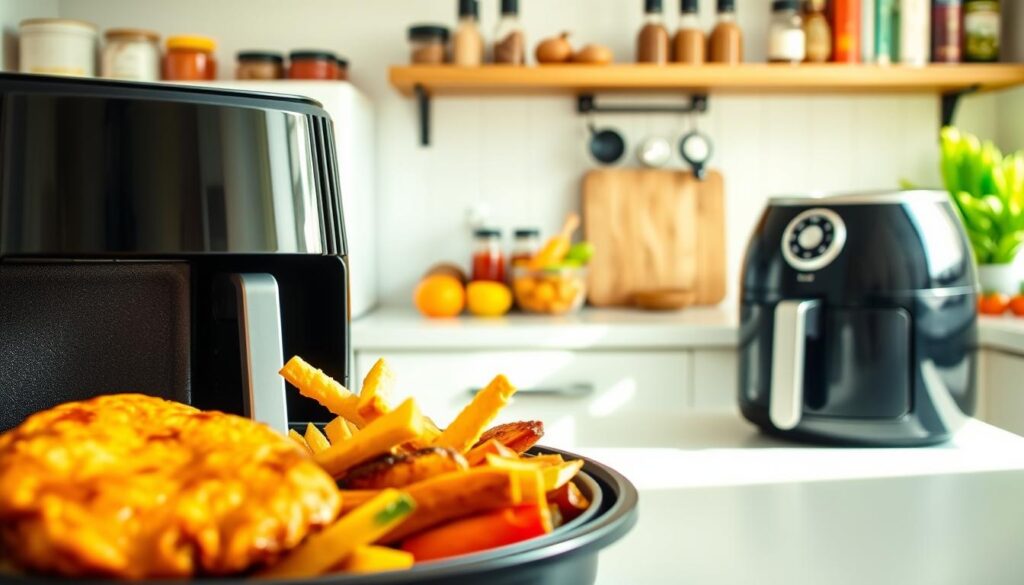
Quick Air Fryer Dinners
Quick air fryer dinners turn hectic weeknights into simple, tasty meals. With minimal prep and fast cooking times, your air fryer becomes the go-to appliance for healthy, home-cooked food when time is tight.
Here are fast protein options that regularly perform well in most models—adjust times for thickness and basket size, and always check internal temperatures.
- Rib-eye steak: Sear-temperature approach — roughly 8–12 minutes depending on thickness; aim for 125–135°F for medium-rare (rest before serving)
- Chicken breast: 360–380°F for about 15–20 minutes depending on thickness; confirm 165°F internal for safety
- Salmon: 375–390°F for 8–12 minutes depending on fillet size; remove at 145°F for flaky, juicy fish
- Meatballs: 375°F for 10–20 minutes depending on size; use a thermometer or cut one open to check doneness
The secret to speedy weeknight meals is simple prep—light marinades, one-pan seasoning mixes, and relying on the basket for fast airflow. Thickness matters: thinner cuts and smaller pieces cook faster, so slice or pound proteins uniformly for predictable results.
| ProteinCooking TimeNotes | ||
| Chicken Thighs | 15 minutes | Bone-in takes longer; target 165°F |
| Salmon Bites | 12 minutes | Small pieces cook quickly; watch for 145°F |
| Lamb Chops | 10 minutes | Thickness-dependent; use thermometer for doneness |
Pro tip: Marinate proteins in the morning to cut evening prep time, or toss with a quick dry rub and oil for immediate cooking.
Leftovers reheat well in the air fryer—set to a moderate temp (300–350°F) for a few minutes to restore crispness without drying. For more weeknight recipe ideas and quick marinades, check our recipe collection and the section on what you can cook.
Air Fryer Cooking Times and Temperature Guide
Mastering air fryer cooking times and temperatures takes the guesswork out of air frying. Whether you’re new to air frying or refining your technique, knowing typical temperature ranges and how to adjust times for thickness and basket size will help you get consistent, tasty results.
Air fryers rely on fast hot air circulation (convection) to brown surfaces quickly while keeping interiors juicy. Because models and basket designs vary, use the ranges below as a starting point and always check doneness with a thermometer when cooking proteins.
Essential Temperature Settings
Most air fryer recipes fall in the 350°F–400°F range. Use the following as general guidance:
- Delicate foods: ~325°F — for eggs, thin fish, or small pastries
- Standard cooking: ~350°F — everyday vegetables, many proteins, and reheating
- Crispy items: 375–400°F — for breaded foods, fries, and items you want extra crunch
Adjusting Cook Times for Different Foods
Below are common starting points. Times depend on food thickness, how full the basket is, and your specific air fryer oven or countertop model—smaller baskets often cook faster.
| Food TypeTemperatureCooking TimeNotes | |||
| Chicken Tenders | 380°F | 10–12 minutes | Flip or shake once; confirm 165°F internal |
| Salmon Fillet | 375–390°F | 8–10 minutes | Target 145°F internal; thickness affects time |
| Frozen Vegetables | 375°F | 10–15 minutes | Shake basket for even browning |
| Pork Chops | 375°F | 12–15 minutes | Use thermometer; 145°F safe for pork |
Food safety note: follow USDA internal temperature guidelines—poultry 165°F, fish 145°F, and pork 145°F (with a rest time)—and adjust your settings so the exterior browns without leaving the center undercooked.
Troubleshooting: if the outside browns too fast while the inside is undercooked, lower the temperature 25–30°F and extend the cooking time; if food isn’t browning, raise the temperature or finish briefly at a higher setting.
Pro tip: Preheat your air fryer when recommended by the manual, and use a quick-printable temperature & time cheat sheet (anchor link) to keep common temps handy. Small adjustments by model and basket will get you perfectly cooked food every time.
Healthy Air Fryer Meals That Don’t Sacrifice Taste
Discover how healthy air fryer meals can make everyday cooking both nutritious and delicious. By using hot air and minimal oil, an air fryer helps you enjoy crispy textures and full flavor while cutting fat compared to traditional deep frying.
Healthy air fryer meals let you recreate favorite comfort foods with less grease—so you can have satisfying, lower-calorie versions of classics without losing texture or taste.
- Can dramatically reduce oil use compared with deep frying—often by a large percentage depending on the recipe and method
- Help preserve nutrients by shortening cook times for many vegetables
- Create crispy textures without submerging food in oil
- Encourage experimenting with diverse, health-conscious recipes for balanced meals
Protein lovers benefit from healthy air fryer meals—for example, air-fried salmon keeps its omega‑3s and gains a crisp exterior with minimal added fat. Compared with a deep-fried version, an air-fried fillet can cut significant oil and calories while keeping the same satisfying mouthfeel.
Vegetable-focused meals shine too: roasted vegetables develop caramelized edges and retain more texture because air frying often shortens cooking time versus some other methods, helping preserve vitamins and color.
Air frying isn’t just a technique—it’s a way to enjoy lighter food that still tastes great.
Sample healthy weeknight menu: air-fried salmon fillet (375°F, 8–10 minutes), roasted broccoli (375°F, 8–10 minutes), and a quick air-fryer baked sweet potato (375°F, 25–30 minutes). For more low-fat recipes and nutrition details, explore our healthy recipes collection and check product price and feature comparisons to find the best air fryers for your budget and kitchen.
Cleaning and Maintaining Your Air Fryer
Regular care keeps your air fryer performing well and extends the life of this countertop appliance. A clean unit means better-tasting food, safer operation, and fewer smells or smoke during use.
Most modern air fryers are designed for easy maintenance, but following a simple routine will prevent buildup and protect nonstick finishes. Below are practical daily and deeper maintenance steps you can use across many models—always check your manual for model-specific details and warranty guidance.
Essential Daily Cleaning Routine
Do these tasks after each use (when the unit has cooled):
- Let the air fryer cool for a safe handling period—typically 15–30 minutes depending on the model—before touching removable parts
- Remove the basket and drawer and wash them with warm, soapy water (many baskets are dishwasher-safe; check your manual)
- Use a soft sponge or nonabrasive brush to avoid scratching the nonstick coating
- Wipe the interior and exterior with a damp cloth; dry thoroughly before reassembling
“A clean air fryer is a happy air fryer!” – Kitchen Wisdom
Deep Cleaning Techniques
Perform deeper maintenance periodically to remove grease and trapped debris—weekly or monthly depending on use.
- Unplug the appliance, then gently clean the heating element with a soft brush to remove crumbs and oil splatter
- Inspect and clear the air intake and exhaust vents to maintain good airflow
- For stubborn residue on baskets or trays, use a baking soda paste (baking soda + a little water), let sit, then scrub gently and rinse
- Avoid harsh chemical cleaners, metal scouring pads, or abrasive tools that can damage coatings or affect model warranties
Pro tip: Use parchment liners or silicone mats made for air fryers to reduce scrubbing; just ensure they won’t block airflow and are recommended for your model.
Do/Don’t quick list: Do remove and clean the basket regularly; do consult your model details for dishwasher safety; don’t submerge the main appliance body; don’t use metal pads on nonstick surfaces. For step-by-step visuals, check our how-to video or your manufacturer’s cleaning guide to match the exact process for your model and price range.
Conclusion
Your air frying journey is just beginning. From crispy breakfasts to satisfying dinners, the air fryer is an adaptable countertop appliance that has reshaped home cooking by making many favorites faster and lighter.
Start with easy recipes, learn how your model and basket behave, and build confidence with each meal. Every dish teaches you a little more about temperatures, timing, and how to get the best results from your air fryer oven or basket-style fryer.
The air fryer is more than a gadget — it’s a tool for creativity in the kitchen. Whether you’re comparing models by price or hunting for the best air fryers for your needs, remember that practice and a few trusted recipes are the fastest path to consistently great food at home.
Next steps: pick three beginner recipes (frozen fries, a simple chicken breast, and roasted vegetables), bookmark this guide’s temperature & time cheat sheet, and try one new technique each week. Want more ideas? Visit our recipe collection, check model details and reviews, or sign up for our newsletter for weekly tips and printable recipe cards.