
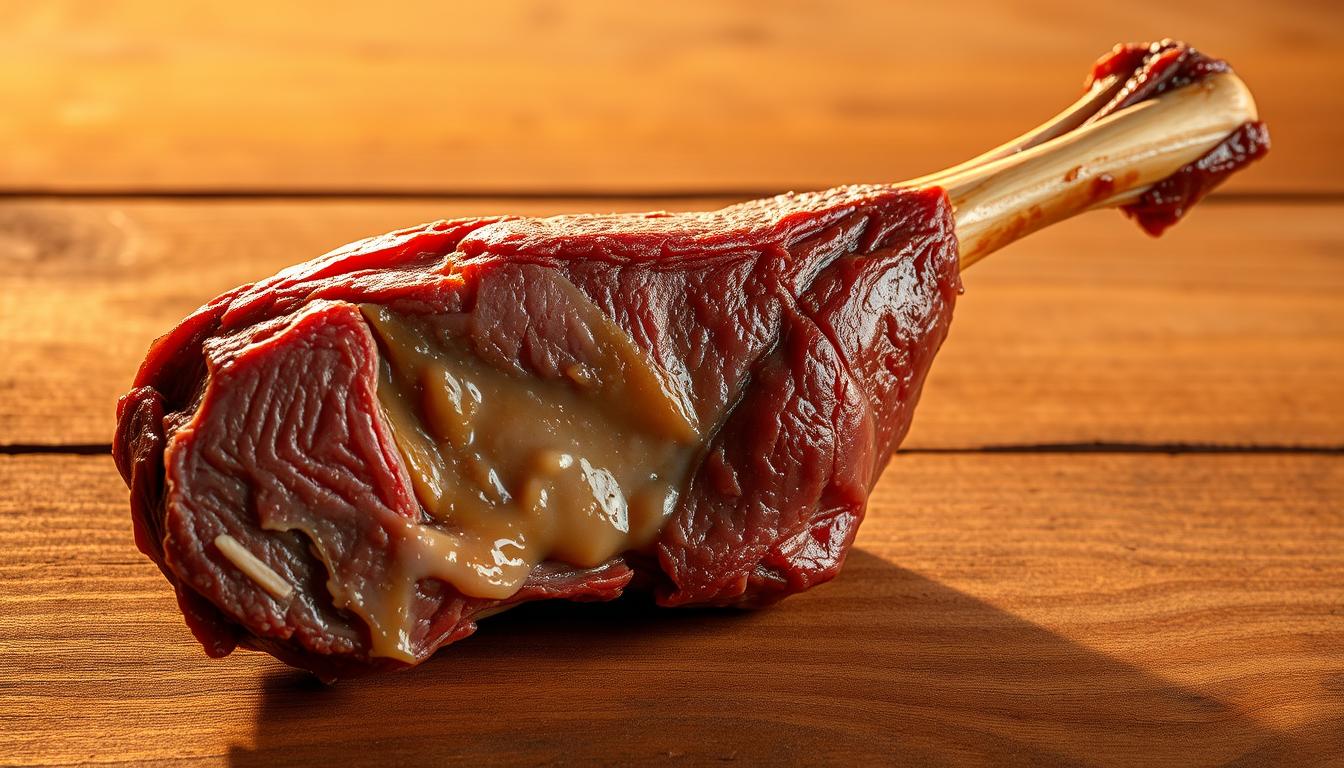
Culinary enthusiasts often overlook the incredible potential of beef shank with bone. This humble cut of meat holds a treasure trove of flavor waiting to be unlocked in your kitchen. While many home cooks gravitate toward premium steaks, the beef shank represents a hidden gem that can transform ordinary meals into extraordinary dining experiences.
When you explore bone-in beef shank recipes, you’ll discover a cut that promises deep, rich flavors and incredible tenderness. The secret lies in its unique composition – tough muscle meat surrounded by connective tissue and marrow that breaks down during slow cooking, creating meltingly soft textures and intense taste profiles.
Professional chefs have long recognized the magic of beef shank with bone. Its ability to absorb seasonings and develop complex flavors makes it a versatile ingredient that can elevate everything from stews to braised dishes. You’ll be amazed at how this affordable cut can rival more expensive meat selections.
Table of Contents
Understanding Beef Shank with Bone: A Culinary Hidden Gem
Beef shank is a fascinating cut of meat that turns simple cooking into a special experience. Learning how to cook beef shank with bone opens up a world of rich flavors and tender textures. Many home cooks miss out on this.
The beef shank comes from the cow’s leg, a muscular area. It’s special because of its unique makeup. This makes it perfect for creating satisfying dishes.
Anatomy of the Beef Shank
The beef shank is from the lower leg of cattle, an area that’s always moving. This makes the meat tough and full of connective tissue. It has:
- Dense muscle structure
- High collagen content
- Substantial bone marrow
- Robust beef flavor
Different Cuts and Their Characteristics
| Cut Type | Location | Cooking Method |
|---|---|---|
| Shin Shank | Front Leg | Slow braising |
| Hock Shank | Rear Leg | Stewing |
Why This Cut is Often Overlooked
Many home cooks shy away from beef shank because it needs special cooking. The secret to making it tender is patience and understanding. Slow cooking breaks down the meat, making it tender and flavorful.
Learning to cook beef shank with bone makes it a versatile ingredient. It takes home cooking to a new level.
The Rich History and Cultural Significance of Beef Shank Dishes
Beef shank has been a favorite in kitchens worldwide for centuries. It’s a story of resourcefulness and flavor that crosses continents. From Italy to China, beef shank soup and osso buco have fed families for generations.
Different cultures have their own ways of cooking this flavorful cut:
- Italian cuisine makes the beef shank tender with osso buco, a braised dish
- Chinese chefs slow-cook beef shank soups with aromatic spices
- Mexican traditions use beef shanks in hearty stews for big families
Beef shank was a staple in working-class kitchens because of its value. Its tough parts become tender when cooked slowly. This makes it perfect for cooks on a budget.
| Culture | Signature Beef Shank Dish | Cooking Method |
|---|---|---|
| Italian | Osso Buco | Braised with vegetables and wine |
| Chinese | Beef Shank Soup | Slow-simmered with spices |
| Portuguese | Cozido | Stewed with multiple ingredients |
Today, chefs still use traditional cooking methods but also add new twists to beef shank dishes. Whether it’s a classic beef osso buco or a modern take, this cut shows the power of culinary creativity and cultural heritage.
What Makes Beef Shank with Bone So Special
Beef shank with bone is a culinary treasure. It turns simple meals into unforgettable experiences. This cut is special because of its rich flavor, nutritional benefits, and versatility in cooking.
Exploring beef shank nutrition reveals its many advantages. Its unique traits make it a favorite among chefs and home cooks.
The Role of Marrow in Flavor Development
Braised beef shank bone marrow adds depth and complexity to dishes. As it cooks slowly, the marrow melts. This infuses the dish with a rich, luxurious flavor that’s unmatched by other ingredients.
- Releases intense, meaty flavor during cooking
- Creates a silky, smooth texture in dishes
- Adds natural richness to stews and braises
Collagen Content and Its Benefits
Beef shank is full of collagen, a protein that changes when cooked slowly. When heated gradually, collagen breaks down into gelatin. This makes the meat incredibly tender, almost melting in your mouth.
“The magic of beef shank happens when you give it time and patience.” – Professional Chef
Nutritional Profile and Health Benefits
Beef shank’s nutrition is more than just great taste. It offers essential nutrients for health, including:
- High-quality protein
- Important minerals like iron and zinc
- Beneficial amino acids
- Supports joint and gut health
Choosing beef shank means more than just cooking a meal. It’s a choice for a nutritious, flavorful dining experience that celebrates cooking.
Essential Tips for Selecting Quality Beef Shank
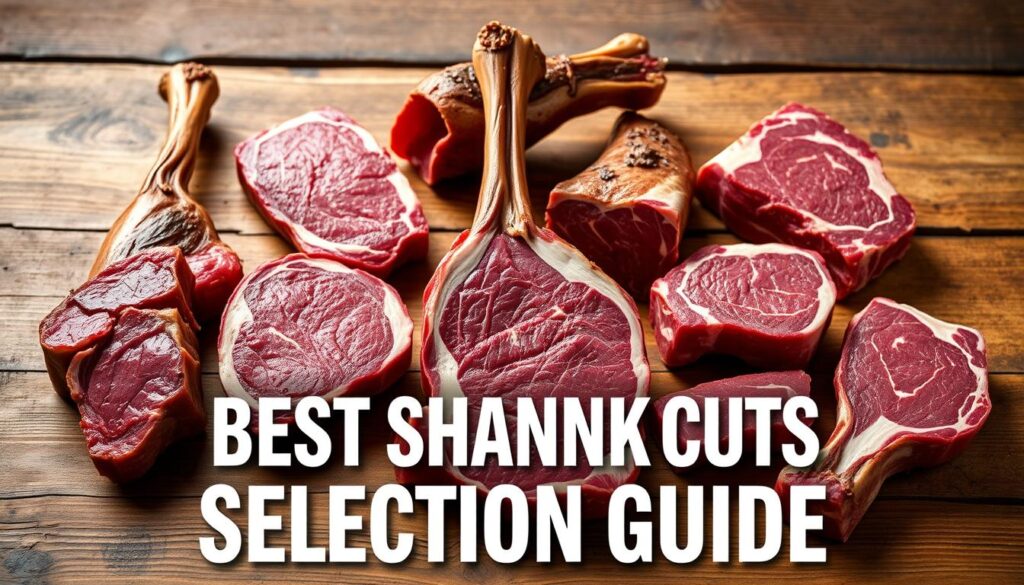
Choosing the right beef shank is key for tasty bone-in beef shank recipes. The right cut can elevate your dish. So, it’s important to know what to look for.
Start by understanding what makes a beef shank quality:
- Look for fresh cuts with a bright red color
- Check for consistent marbling throughout the meat
- Ensure the bone looks clean and well-trimmed
- Opt for grass-fed or organic options when possible
Butchers use terms like osso buco, shanks, or soup bones for these cuts. They come from the leg and are great for slow-cooking.
Here are some tips for buying the best beef shank cuts:
- Visit local butcher shops for highest quality cuts
- Check specialty meat markets for premium selections
- Consider online meat delivery services for convenience
- Ask about the animal’s diet and raising conditions
Plan for about 1 pound of bone-in beef shank per two people. This ensures enough meat for hearty, satisfying bone-in beef shank recipes that will impress your dinner guests.
Pro tip: Fresh beef shanks should have a firm texture and minimal excess liquid in the packaging.
The Science Behind Slow-Cooking Beef Shank
Slow cooking beef shank with bone turns tough meat into a tender, flavorful dish. This magic comes from a controlled cooking process. It breaks down muscle fibers and connective tissues.
Learning about slow-cooked beef shank reveals its secret. It’s all about temperature control and patient cooking.
Temperature and Time Requirements
When cooking beef shank with bone, temperature is key. The best slow-cooking range is 275-325°F. This range breaks down proteins slowly without drying the meat.
- Low temperature: 275°F for longer cooking times
- Medium temperature: 300-325°F for moderate cooking
- Cooking duration: 3-4 hours typically
Collagen Transformation Magic
The real magic of slow cooked beef shank is when collagen turns to gelatin. At around 160°F, collagen starts to melt. This creates the rich, luxurious texture everyone loves.
| Temperature Range | Collagen Transformation Stage | Meat Texture |
|---|---|---|
| Below 140°F | Minimal Breakdown | Tough |
| 160-180°F | Active Collagen Conversion | Tender |
| 190°F+ | Complete Gelatin Transformation | Extremely Soft |
Crafting the Perfect Braising Liquid
Your braising liquid is key for deep, complex flavors. Mix wine, broth, and aromatic vegetables. This liquid tenderizes and enhances your slow-cooked beef shank.
Classic Preparation Methods and Cooking Techniques
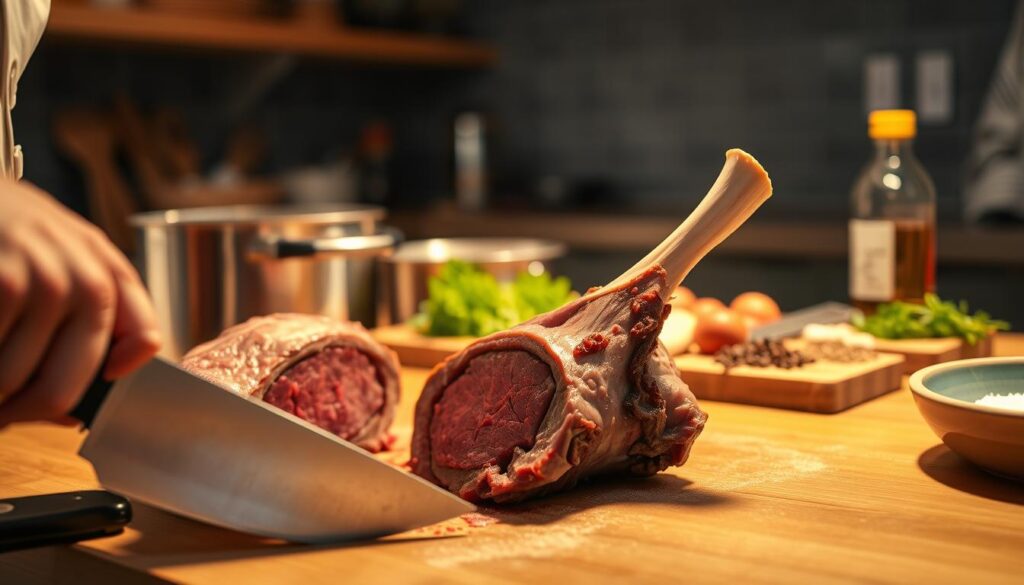
Mastering bone-in beef shank recipes means knowing key cooking techniques. These methods turn a tough cut into a tender, flavorful dish. The first step is choosing the right cooking method.
Seasoning is key for rich flavors. Before cooking, season your beef shank well with salt and pepper. Some chefs suggest dry brining the meat for hours to boost taste and texture.
- Browning technique is critical for developing deep flavor
- Use high heat to create a caramelized exterior
- Press down on shanks while searing to maximize contact
Different cooking methods can lead to amazing results:
- Braising: Perfect for bone-in beef shank, it involves searing and slow-cooking in liquid
- Slow roasting: It breaks down collagen slowly, making the meat tender
- Pressure cooking: It quickens the tenderizing process while keeping moisture in
To check if your beef shank is cooked right, look for meat that falls off the bone easily. It should have a rich, gelatinous texture. The internal temperature should be around 195-205°F for the best tenderness.
Traditional Recipes Featuring Beef Shank with Bone
Beef shank with bone is a treasure trove of flavors in many cuisines. These recipes show how versatile and delicious this cut of meat is. From Italy to Asia and Portugal, each dish turns the beef shank into a culinary delight.
Italian Osso Buco: A Milanese Classic
Beef osso buco is the epitome of Italian comfort food. It makes beef shanks tender and rich, a true delight to eat.
- Ingredients:
- 4 bone-in beef shanks
- Flour for dredging
- White wine
- Beef stock
- Fresh herbs
- Cooking Method:
- Dredge shanks in seasoned flour
- Brown meat in olive oil
- Slow-braise with vegetables and wine
- Top with gremolata
Asian-Style Braised Shank with Umami Depth
This recipe adds an Asian twist to beef shank, with deep, complex flavors from braising.
| Ingredient | Quantity | Purpose |
|---|---|---|
| Beef Shank | 2 lbs | Main protein |
| Soy Sauce | 1/4 cup | Umami flavor |
| Star Anise | 2 pods | Aromatic spice |
| Ginger | 2 inches | Warming note |
Portuguese Beef Shank Stew: Comfort in a Pot
This Portuguese stew turns beef osso buco into a comforting meal. It’s filled with traditional spices and a rich tomato broth.
This journey shows how one cut of meat can lead to amazing dishes in various cultures. Try these recipes to see the beauty of beef shank with bone.
Common Mistakes to Avoid When Cooking Beef Shank
Learning to cook beef shank with bone can be tricky. It’s easy to make mistakes that ruin the dish’s flavor and texture. These errors can turn a tender meal into a tough one.
- Skipping the browning process, which develops deep flavor foundations
- Using insufficient liquid during slow cooked beef shank preparation
- Cooking at excessively high temperatures
- Not allowing adequate time for collagen breakdown
The biggest mistake is rushing the cooking. Slow cooked beef shank needs patience. Cooking it low and slow breaks down tough tissues, making the meat tender and delicious.
| Mistake | Consequence | Solution |
|---|---|---|
| High Heat | Tough, Chewy Meat | Cook at 325°F, Low Temperature |
| Less Liquid | Dry Meat | Cover meat 2/3 with braising liquid |
| Short Cooking Time | Stringy Texture | Cook 3-4 hours until fork-tender |
When cooking beef shank with bone, remember that technique matters more than speed. This patience will reward you with a flavorful, tender dish. It’s a true showcase of this amazing cut.
Perfect Side Dishes and Wine Pairings
To make your bone-in beef shank recipes stand out, choose the right side dishes and wines. These should enhance the meat’s rich flavors. The perfect sides and wines can turn a good beef shank soup into a memorable meal.
Ideal Side Dishes
- Creamy polenta with a velvety texture
- Roasted root vegetables seasoned with herbs
- Garlicky mashed potatoes
- Crusty artisan bread for sauce absorption
When cooking beef shank, pick sides that soak up the braising liquid. A warm, crusty baguette or fresh sourdough is great for catching every flavor.
Wine Pairings
Robust red wines pair well with beef shank’s intense flavors. Here are some top picks:
- Barolo – An Italian red with strong tannins
- Syrah – Offers deep, spicy notes
- Cabernet Sauvignon – Bold and full-bodied
If you prefer not to drink wine, try sparkling water with citrus or a light herbal iced tea. These can balance the richness of the beef shank soup.
Conclusion: Embracing the Versatility of Beef Shank
Beef shank with bone is a treasure waiting in your kitchen. It’s affordable and packed with nutrients. It turns simple meals into special dining moments.
Beef shank offers a chance to make dishes that taste like they’re from a restaurant. You don’t have to spend a lot of money. This cut is perfect for those who love to cook.
Exploring beef shank is just the beginning. Each way of cooking brings out new flavors and textures. Braising, slow-cooking, or trying new cuisines, beef shank is always up for the challenge.
It’s all about patience and knowing how to bring out the best in this cut. This way, you can make dishes that impress everyone.
Beef shank is loved by both professional chefs and home cooks. It’s great for fancy dinners or cozy meals at home. With the right cooking, your dishes will be amazing.
Begin your journey with beef shank today. Try new recipes and spices. Your kitchen will become a place of delicious discovery.