
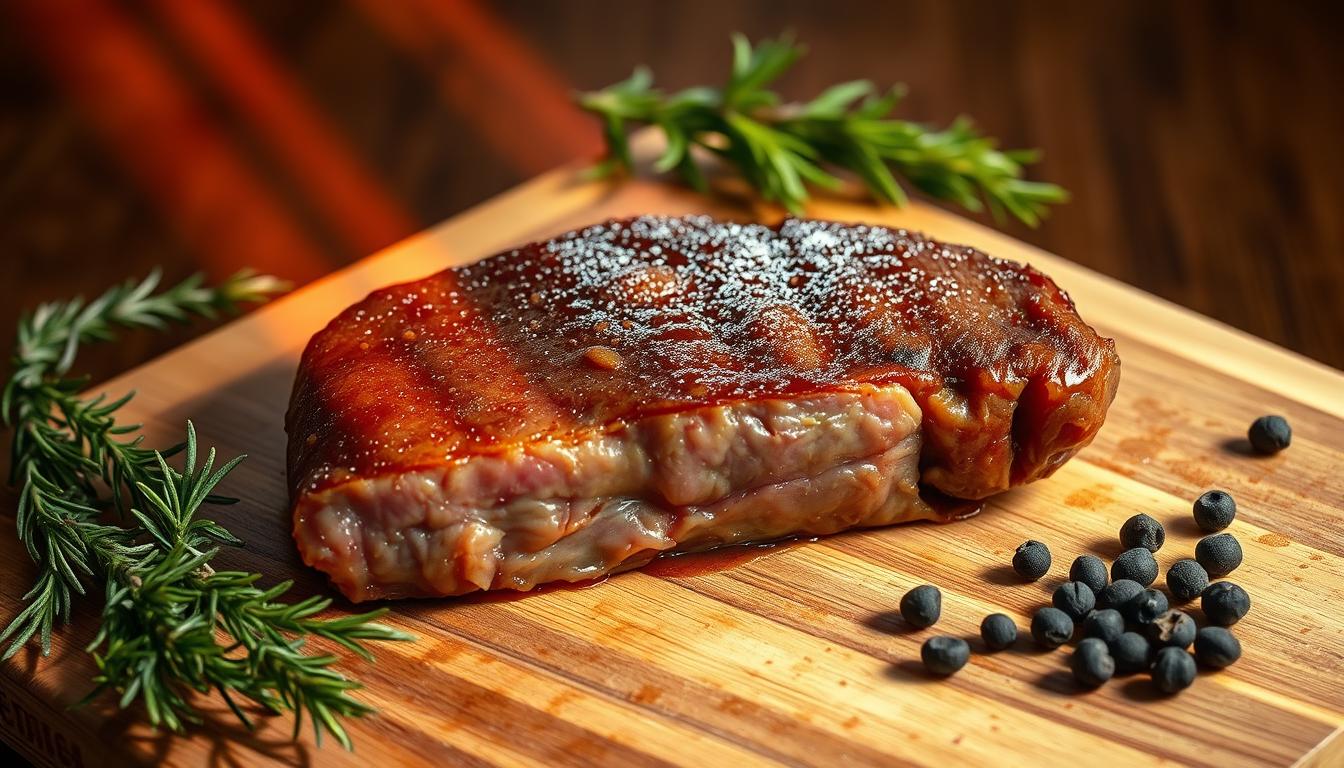
Cooking calf liver can turn a simple meal into a gourmet dish. This ingredient is packed with nutrients but can seem daunting to some. With the right recipe, you can make a tender and tasty dish that will wow your loved ones.
To make a great calf liver recipe, you need to know how to tenderize it and bring out its flavor. Whether you’re an experienced chef or just starting out, learning to cook this protein-rich food is simpler than you think.
Professional chefs stress the importance of preparation when cooking liver. By using the right methods to soften and season the meat, you can improve your cooking and make a meal that rivals a restaurant’s.
Table of Contents
Understanding the Nutritional Benefits of Calf Liver
Calf liver is a nutritional powerhouse in the world of healthy organ meat dishes. It’s packed with essential nutrients, offering impressive health benefits. Whether you’re looking for nutritious offal recipes or ways to boost your nutrition, calf liver is a great choice.
Essential Vitamins and Minerals
Calf liver is a nutrient-dense food, rich in vitamins and minerals. It provides your body with:
- Iron: Supports oxygen transportation in the blood
- Vitamin B12: Crucial for nerve function and blood cell formation
- Vitamin A: Promotes eye health and immune system strength
- Copper: Supports metabolic processes and bone health
Health Benefits and Protein Content
Calf liver is a top-notch protein source, offering complete amino acids. Just a small serving provides substantial nutritional value. It’s a great addition to healthy organ meat dishes.
Recommended Serving Portions
Moderation is key when adding calf liver to your diet. Nutritionists suggest:
- 3-4 ounces per serving
- Limit consumption to 1-2 times per week
- Pair with diverse vegetable sides
Knowing its nutritional profile helps you include it in your diet wisely. This way, you can enjoy its benefits while keeping your diet balanced.
Selecting and Storing Fresh Calf Liver
Choosing the right calf liver is key for a tasty and healthy meal. Your eyes and nose are the best tools for picking quality meat. Fresh calf liver should be vibrant, uniform in color, and have a clean, mild smell.
Here’s what to look for when buying calf liver:
- Bright pinkish-red color without dark spots
- Smooth, moist surface without any sliminess
- Firm texture that springs back when touched
- Minimal visible connective tissue
Start your calves liver preparation by smart shopping. Go to local butcher shops or specialty meat markets. They get their meat from good farms. Farmers markets also offer high-quality, ethically raised meat.
“The quality of your liver determines the success of your dish” – Professional Chef Recommendation
Storing liver right is key to keeping it fresh. Put fresh calf liver in the fridge right away and use it within 1-2 days. For longer storage, wrap it tightly in butcher paper or plastic wrap. Then, put it in an airtight container and freeze for up to three months.
Pro tip: Always thaw frozen calf liver in the fridge, not at room temperature. This stops bacterial growth and keeps the meat quality high.
Essential Ingredients for Calf Liver Recipe
To make a tasty calf liver recipe, you need the right ingredients. These should boost the flavor and texture. Choosing top-notch ingredients is key to a great dish.
Starting a great calf liver recipe means knowing the essential ingredients. These turn this healthy protein into a fancy meal. Quality is crucial for each part.
Main Ingredients List
- Fresh calf liver (4-6 ounces per serving)
- High-quality whole milk for soaking
- Unsalted butter
- Extra virgin olive oil or clarified butter
- Kosher salt
- Freshly ground black pepper
Seasonings and Spices
Seasoning liver right is all about balance. The right spices can make your calf liver amazing.
| Spice | Flavor Profile | Recommended Quantity |
|---|---|---|
| Dried Thyme | Earthy, herbal | 1 teaspoon |
| Smoked Paprika | Slightly smoky | 1/2 teaspoon |
| Garlic Powder | Pungent, savory | 1/4 teaspoon |
Optional Flavor Enhancers
For more depth in your calf liver recipe, try these optional ingredients:
- Caramelized onions
- Fresh chopped sage
- Dry white wine
- Balsamic vinegar
- Fresh garlic cloves
Seasoning liver is an art. Start with a little and adjust to taste. Quality ingredients are essential for a memorable calf liver recipe.
Pre-Cooking Preparation Techniques
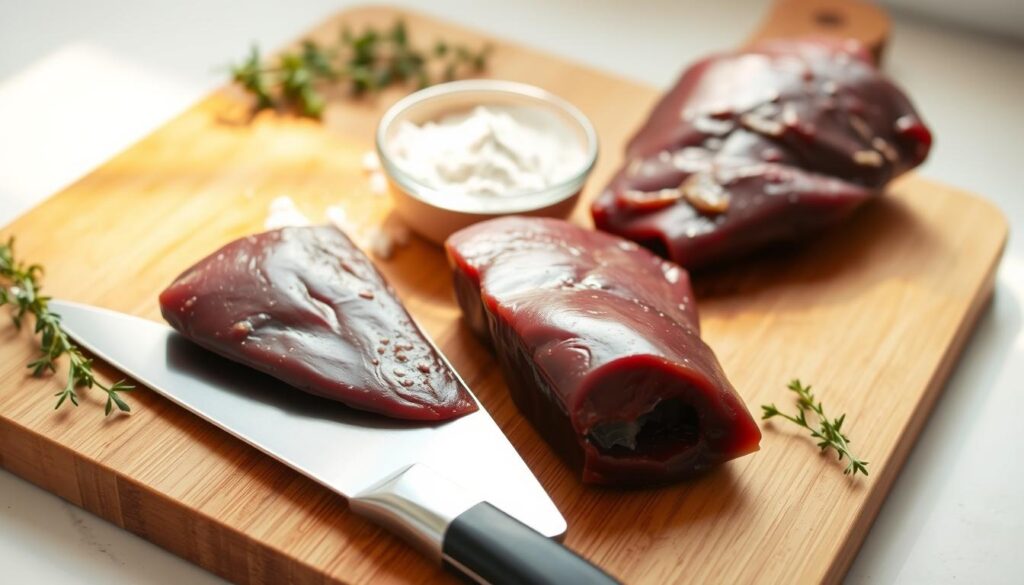
Getting your calves liver ready is key to a tasty and tender meal. Before you start cooking, there are a few important steps to take. These steps will help you get the best flavor and texture.
First, take a close look at your liver. Use a sharp knife to remove any tough membranes or connective tissues. These can make the liver chewy and not very pleasant. Your goal is to make the liver smooth and tender, so it feels like it’s melting in your mouth.
- Inspect the liver for any discolored areas
- Trim away tough membranes carefully
- Check for any remaining blood vessels
Learning how to tenderize liver can be tricky. But the best way is to soak it in milk. This method helps get rid of the liver’s strong taste and makes it more enjoyable to eat. Whole milk is the best choice because it has proteins and calcium that soften the liver’s fibers.
- Slice the liver into even pieces
- Place liver in a bowl of cold whole milk
- Refrigerate for 30-60 minutes
- Pat dry with paper towels before cooking
After soaking, sprinkle your liver with salt and pepper. Pro tip: For even more flavor, lightly dust it with flour before cooking. This creates a nice crust and keeps the liver tender during cooking.
The key to perfect liver is gentle handling and proper preparation.
By using these preparation steps, you can turn a tough ingredient into a dish that everyone will love.
The Milk Soaking Method
Learning how to tenderize liver is key. The milk soaking method is a game-changer for calves liver. It changes its flavor and texture.
Milk soaking is a traditional technique. It helps reduce liver’s strong taste. It draws out impurities and softens the meat’s flavor.
Benefits of Milk Soaking
- Reduces the metallic taste characteristic of liver
- Softens the meat’s texture
- Helps remove any potential gamey undertones
- Prepares the liver for more delicate cooking methods
Timing and Temperature Guidelines
For the best results, follow these soaking tips:
- Soak liver in cold milk for 30 minutes to 2 hours
- Refrigerate during soaking to maintain food safety
- Pat dry thoroughly with paper towels before cooking
Alternative Soaking Solutions
If you can’t use milk, try these alternatives:
- Buttermilk: Provides similar tenderizing effects
- Lemon water with a splash of vinegar
- Salt water brine for short periods
Perfect liver preparation needs patience and technique. These soaking methods can turn a tough ingredient into a tasty dish.
Professional Cooking Techniques
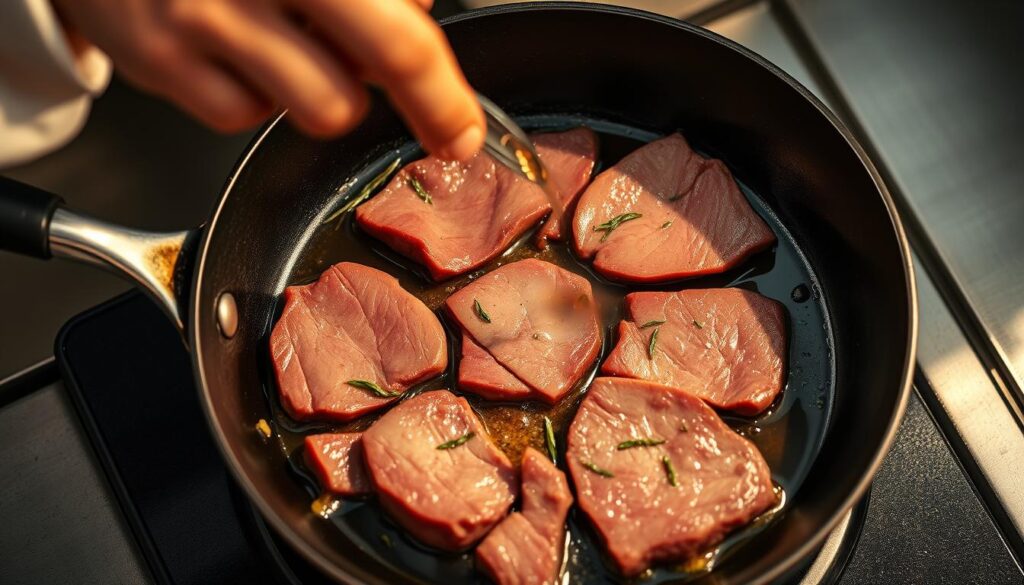
Mastering beef liver cooking techniques needs precision and careful attention. Pan-fried calf liver can become a culinary masterpiece with the right approach. It’s all about understanding the delicate nature of liver and cooking it perfectly.
When preparing pan-fried calf liver, start with these essential techniques:
- Bring the liver to room temperature before cooking
- Pat the liver dry with paper towels to ensure a crisp exterior
- Use a heavy-based skillet for even heat distribution
- Select high-heat oils like clarified butter or grapeseed oil
Cooking time is key for the perfect texture. For a pink center, cook the liver for 1-2 minutes on each side. Professional chefs use high heat for a delicious caramelized crust and tender interior. Avoid overcooking to prevent the liver from becoming tough and grainy.
Other cooking methods can also enhance your calf liver preparation:
- Grilling for a smoky flavor
- Broiling for quick, intense cooking
- Quick sautéing in a very hot pan
“The secret to perfect calf liver is respect for its delicate texture and minimal cooking time.” – Chef Julia Child
Remember, mastering beef liver cooking techniques takes practice and attention to detail. With these professional tips, you’ll create a delicious and tender pan-fried calf liver that will impress even the most discerning palates.
Creating the Perfect Pan Sauce
To make your calf liver recipe stand out, mastering pan sauce is key. After cooking the liver and onions just right, the magic happens in the pan. You turn those tasty browned bits into a rich sauce that makes the dish pop.
Starting with deglazing is crucial for a great pan sauce. Choose top-notch ingredients to boost the liver’s taste.
Classic French Sauce Variations
French cooking has many ways to make pan sauces for liver:
- Burgundy-style sauce with red wine reduction
- Cream-based sauce with fresh herbs
- Shallot and brandy pan sauce
Wine and Stock Options
| Liquid Base | Flavor Profile | Best Pairing |
|---|---|---|
| Dry White Wine | Light, crisp | Delicate liver preparations |
| Beef Stock | Rich, deep | Robust liver dishes |
| Brandy | Warm, intense | Classic French-style recipes |
Finishing Touches
Adding butter for richness and fresh herbs for brightness is the last step. A quick swirl of cold butter makes your sauce glossy and luxurious. This takes your calf liver recipe to the next level.
For a top-notch pan sauce, balance flavors and use the best ingredients. With practice, you’ll make a sauce that makes your liver and onions unforgettable.
Serving Suggestions and Side Dishes
Improving your healthy organ meat dishes means choosing the right sides and presentation. Calf liver with onions becomes a standout when paired with the right sides. These sides balance its rich taste.
Classic pairings can make your liver dish unforgettable. Here are some tasty side dish options:
- Creamy mashed potatoes with garlic and chives
- Soft polenta with parmesan cheese
- Sautéed green vegetables like spinach or kale
- Roasted root vegetables with herbs
Caramelized onions are key in liver and onions. Cooking onions slowly until they’re golden brown adds sweetness. This sweetness contrasts with the liver’s strong taste.
Wine lovers might enjoy pairing their liver dish with certain drinks:
- Red wines: Pinot Noir or Beaujolais
- White wines: Chardonnay or Viognier
- Light beer varieties
Presenting your healthy organ meat dishes is important. Use white plates to show off the liver and sides’ colors. Add fresh herbs like parsley or thyme for color and freshness.
Storing and Reheating Leftover Calf Liver
After making a tasty calf liver dish, it’s key to know how to store and reheat leftovers. This keeps the flavor and ensures food safety. Storing leftovers right lets you enjoy your calf liver for days after cooking.
Here are the must-follow steps for storing leftover calf liver:
- Cool the liver completely before storing
- Use airtight containers to prevent moisture loss
- Refrigerate within two hours of cooking
- Store for no more than 3 days in the refrigerator
Reheating calf liver needs care to keep it tender and flavorful. Low and slow reheating is best to preserve its texture and taste.
Here are the top ways to reheat your calf liver:
- Oven method: Preheat to 275°F and warm for 10-15 minutes
- Skillet technique: Use low heat with a splash of broth
- Add a small amount of butter to help retain moisture
Food safety is crucial when dealing with leftover liver. If the liver smells bad, feels slimy, or looks off, throw it away. It’s better to be safe than sorry.
Pro tip: Always reheat liver to an internal temperature of 165°F to ensure it’s safe to eat.
Conclusion
Learning to cook calf liver takes time and effort. You’ve now learned how to make it delicious. By soaking it in milk, choosing the best meat, and cooking it right, you’ll get better at cooking.
Success with calf liver recipes comes from treating it gently. Follow the tips in this guide to make tender, tasty dishes. Remember, handling it carefully, seasoning well, and not overcooking are key.
Try new ways of preparing and seasoning liver to build your confidence. Every time you cook, you get better. Soon, you’ll enjoy making delicious calf liver dishes.
Start your journey to becoming a great liver cook. With practice and the skills you’ve learned, you’ll make amazing, healthy dishes. Keep trying, stay curious, and enjoy the benefits of this amazing ingredient.