
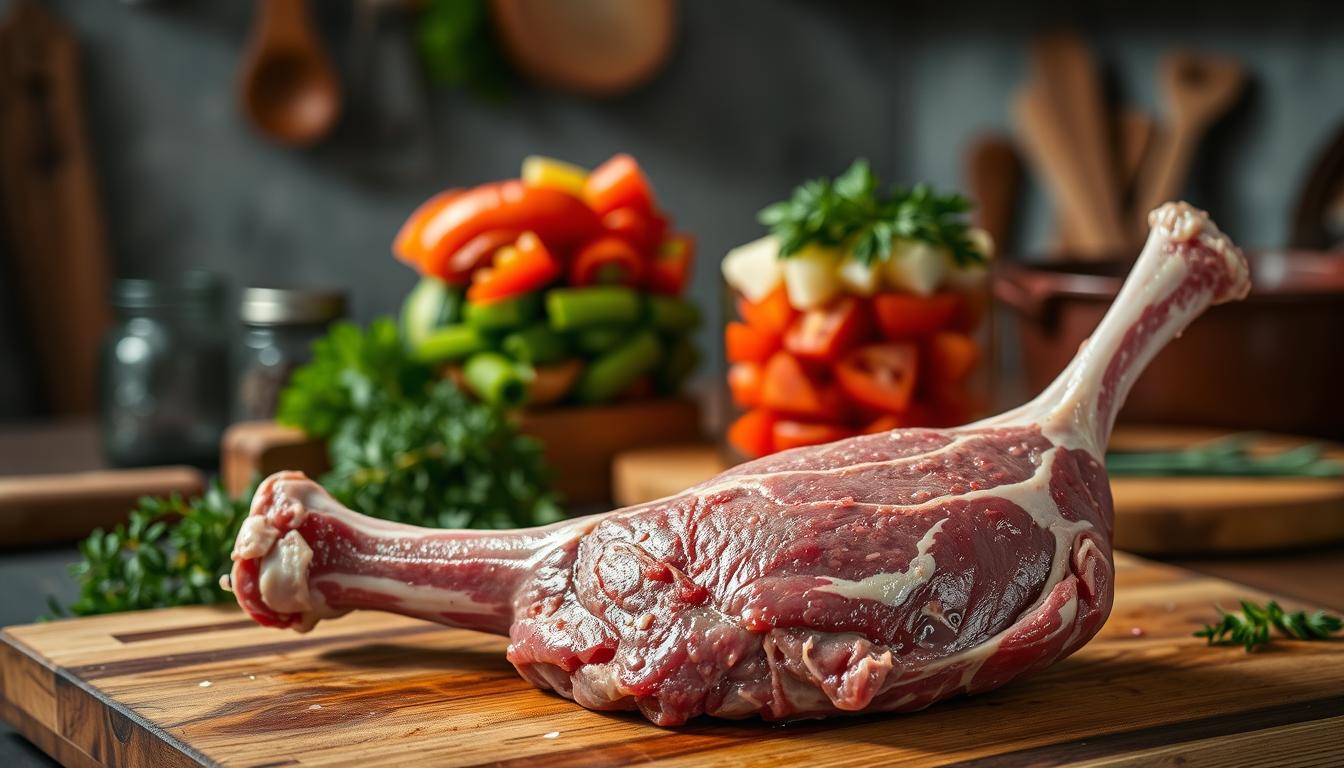
Beef shank is a tough but rewarding cut for home cooks. It turns into a tender dish that melts in your mouth. This cut comes from the cow’s leg and needs special cooking techniques to reach its best.
Unlike other beef cuts, beef shank needs patience and skill. You aim to soften the dense muscle fibers and connective tissues. This makes the beef shank tender and easy to shred. Slow cooking, like braising and smoking, is the best way to get great results.
Professional chefs say mastering beef shank is about understanding its unique traits. With the right approach, you can make this affordable cut into a meal that wows your family and friends.
Table of Contents
Understanding Beef Shank: A Cut Above the Rest
Beef shank is a remarkable cut that turns simple meals into unforgettable dishes. It’s a challenge for both home cooks and chefs, but the reward is worth it.
This cut comes from the cow’s leg, making it lean and full of flavor. Its special qualities make it perfect for slow-cooking, which breaks down tough tissues.
What Makes Beef Shank Unique
Beef shank is different from other cuts for several reasons:
- It has a lot of collagen, which makes it tender and gelatinous
- It has a strong beef flavor from the muscular meat
- It’s great for beef osso buco and braising
- It’s also very affordable compared to other cuts
Different Types of Beef Shank Cuts
There are two main types of beef shank:
- Cross-cut shank: Best for osso buco, with round bone-in pieces
- Whole shank: A bigger cut perfect for smoking and long cooking times
The Thor’s Hammer Presentation
Professional chefs often present beef shank in the “Thor’s Hammer” style. This dramatic presentation shows off the cut’s strength and makes a stunning centerpiece.
Learning to cook beef shank takes patience and understanding its special traits. When you master it, you’ll create a dish that’s both tender and full of flavor.
Essential Equipment and Tools for Cooking Beef Shank
Cooking beef shank to perfection needs the right tools. The best way to cook beef shank starts with choosing the proper tools. These tools ensure tender, flavorful results. Your kitchen should have several key items to make this tough cut delicious.
- Meat Thermometer: A leave-in probe thermometer is crucial for monitoring internal temperature during slow cooking
- Cooking Vessels: Dutch oven, heavy-bottom skillet, or slow cooker
- Sharp kitchen knife for trimming and preparing meat
- Tongs for handling and turning the meat
Your slow cooker beef shank technique will improve with the right equipment. Different cooking vessels offer unique advantages:
| Cooking Vessel | Benefits | Best For |
|---|---|---|
| Dutch Oven | Even heat distribution, tight-fitting lid | Oven braising and stovetop cooking |
| Heavy-Bottom Skillet | Quick searing, good heat retention | Initial browning and developing flavor |
| Slow Cooker | Hands-off cooking, consistent low temperature | Long, slow cooking methods |
Investing in quality tools will make your beef shank cooking better. You’ll get tender, mouth-watering results every time.
How to Cook Beef Shank: Step-by-Step Guide
Cooking beef shank needs patience and the right techniques. It turns a tough cut into a delicious meal. Whether you’re a home cook or a culinary enthusiast, learning to cook beef shank will improve your skills and wow your guests.
Before starting, it’s important to know the basics. The cooking time for beef shank changes based on the method. But the goal is always the same: to make a tender, flavorful dish that’s a pleasure to eat.
Preparing the Meat
Getting the meat ready is crucial for great beef shank. Here’s what to do:
- Take the beef shank out of the fridge 30 minutes before cooking
- Pat the meat dry with paper towels for perfect browning
- Trim off excess fat, but keep a thin layer for flavor
- Let the meat come to room temperature for even cooking
Seasoning Techniques
Seasoning makes beef shank special. Salt and pepper are the basics, but feel free to try new things:
- Use kosher salt for better flavor
- Freshly ground black pepper adds depth
- Try herb blends like rosemary and thyme
- Garlic powder can make the meat even richer
Cooking Methods Overview
The cooking time for beef shank depends on the method. Here are the most common ways:
- Braising: Slow-cook in liquid for maximum tenderness
- Slow Cooking: Great for easy, hands-off cooking
- Smoking: Adds complex flavors
- Pressure Cooking: Shortens cooking time
Each method has its own benefits. Choose the one that fits your schedule and equipment. Remember, patience is key to mastering how to cook beef shank perfectly.
Perfect Temperature Guide for Tender Beef Shank
To get the perfect beef shank, you need to be precise and patient. The key is to understand how to control the temperature and use slow cooking methods. This turns a tough cut into a tender, delicious dish.
Temperature is crucial in breaking down the tough tissues of beef shank. Cooking it low and slow is the best way. This makes the meat so tender it just falls apart.
Recommended Cooking Temperatures
| Cooking Method | Initial Temperature | Final Internal Temperature | Cooking Duration |
|---|---|---|---|
| Smoke-Braising | 275°F (135°C) | 200-203°F (93-95°C) | 3-4 hours |
| Oven Braising | 325°F (163°C) | 200-203°F (93-95°C) | 2.5-3 hours |
| Slow Cooker | Low Setting | 200-203°F (93-95°C) | 6-8 hours |
For a tender beef shank, use a good meat thermometer. It lets you check the internal temperature accurately. This prevents the meat from being overcooked or undercooked.
- Start with lower temperatures around 275°F
- Gradually increase heat if needed
- Aim for an internal temperature of 200-203°F
- Allow meat to rest 15-20 minutes after cooking
Pro tip: Patience is key when cooking beef shank. Rushing the process will result in tough, chewy meat.
“Cooking beef shank is an art of temperature and time.” – Professional Chef
Smoke-Braising Method: The Ultimate Technique
Discovering the best way to cook beef shank requires mastering the art of smoke-braising. This technique combines smoking and braising to make tough beef shank delicious.
Braised beef shank gets even better with smoke-braising. It mixes the smoky taste of low-temperature smoking with the tenderizing effect of braising.
Setting Up Your Smoker
Get ready for a great cooking experience with these steps:
- Choose a reliable smoker with temperature control
- Select wood chips that complement beef flavor
- Oak for classic smokiness
- Hickory for intense flavor
- Apple wood for subtle sweetness
- Preheat smoker to 225-250°F
Monitoring Temperature Points
When smoke-braising beef shank, precision is key. Use a dual-probe thermometer to track both meat and smoker temperatures. Your beef shank should reach an internal temperature of 195-205°F for maximum tenderness.
Braising Liquid Options
Enhance your braised beef shank with these liquids:
- Rich beef broth
- Dark beer
- Red wine
- Combination of beef stock and red wine
The secret to tender beef shank lies in patience and precise temperature control.
Mastering smoke-braising turns ordinary meat into an extraordinary dish. It will impress even the most discerning food lovers.
Classic Braised Beef Shank Recipe
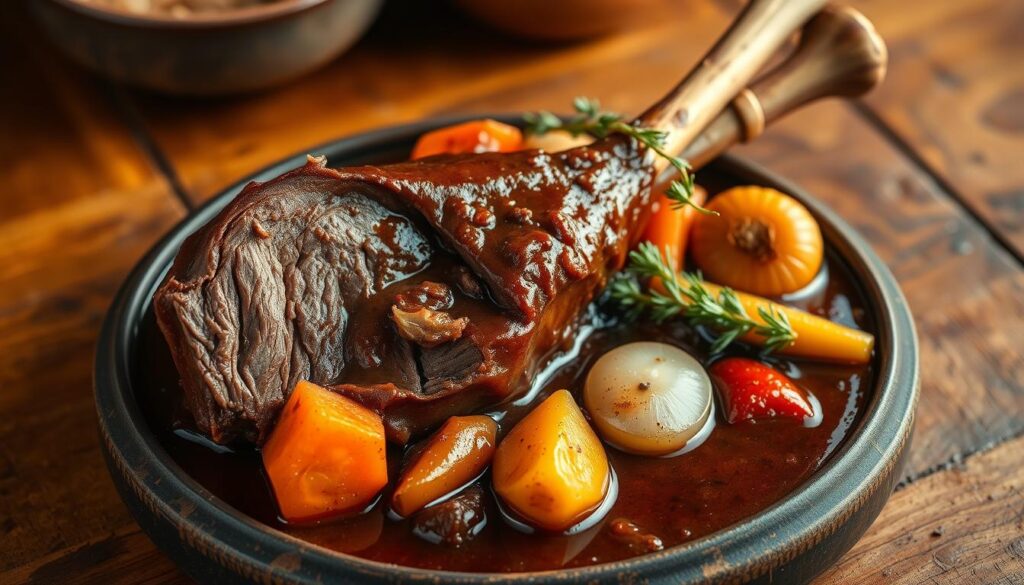
Discover the ultimate beef shank recipe that turns this tough cut into a delicious masterpiece. Braising beef shank needs patience and the right method. This way, you get a dish that’s incredibly tender.
Ingredients You’ll Need
- 2-3 beef shanks (about 1.5 lbs)
- 2 tablespoons olive oil
- 1 large onion, chopped
- 3 garlic cloves, minced
- 2 bell peppers, sliced
- 1 cup beef broth
- Fresh herbs (rosemary, thyme)
- Salt and black pepper to taste
Cooking Steps
- Pat beef shanks dry with paper towels
- Season generously with salt and pepper
- Sear shanks in hot oil until golden brown
- Remove meat and sauté vegetables
- Return shanks to pot with broth and herbs
- Cover and braise for 2.5-3 hours at 325°F
Your braised beef shank will be so tender, it just falls apart. It’s filled with rich, deep flavors. This makes it a true comfort food. The slow cooking breaks down tough tissues, making it a perfect meal for weekend dinners.
Pro Tip: Low and slow is the secret to an incredible braised beef shank!
Serve it with creamy mashed potatoes or crusty bread. This way, you can enjoy the delicious braising liquid. This recipe turns an affordable cut into a dish that will wow your family and friends.
Best Seasonings and Marinades for Beef Shank
Improving your beef shank recipe begins with the right seasonings and marinades. The secret to a delicious beef shank is knowing how to enhance its rich flavor. Whether you’re an experienced cook or new to beef shank, the right seasonings can make a big difference.
Signature Dry Rub Combinations
Dry rubs are a must for beef shank. They create a flavorful crust that keeps the meat moist and adds depth. Here are some top picks:
- Classic Blend: Kosher salt, black pepper, and garlic powder
- Southwestern Kick: Smoked paprika, chili powder, cumin, and brown sugar
- Herb-Infused Rub: Dried thyme, rosemary, oregano, and cracked black pepper
Marinade Magic
Marinades can make your beef shank recipe even better. They tenderize the meat and add amazing flavors. Here are some great marinade options:
| Marinade Type | Key Ingredients | Marinating Time |
|---|---|---|
| Red Wine Marinade | Red wine, garlic, olive oil, fresh herbs | 4-8 hours |
| Asian-Inspired | Soy sauce, ginger, sesame oil, rice vinegar | 2-4 hours |
| Citrus Punch | Orange juice, lime, cilantro, garlic | 3-6 hours |
Tip: Always pat the meat dry before applying your dry rub or after marinating. This helps get a great sear and makes the seasonings stick better. Try these out to find your favorite beef shank recipe!
Common Cooking Mistakes to Avoid
Cooking beef shank can be tricky. But knowing the common mistakes helps you cook it perfectly. Many home cooks struggle to get that tender result like restaurant chefs do.
When learning to cook beef shank, avoid these mistakes:
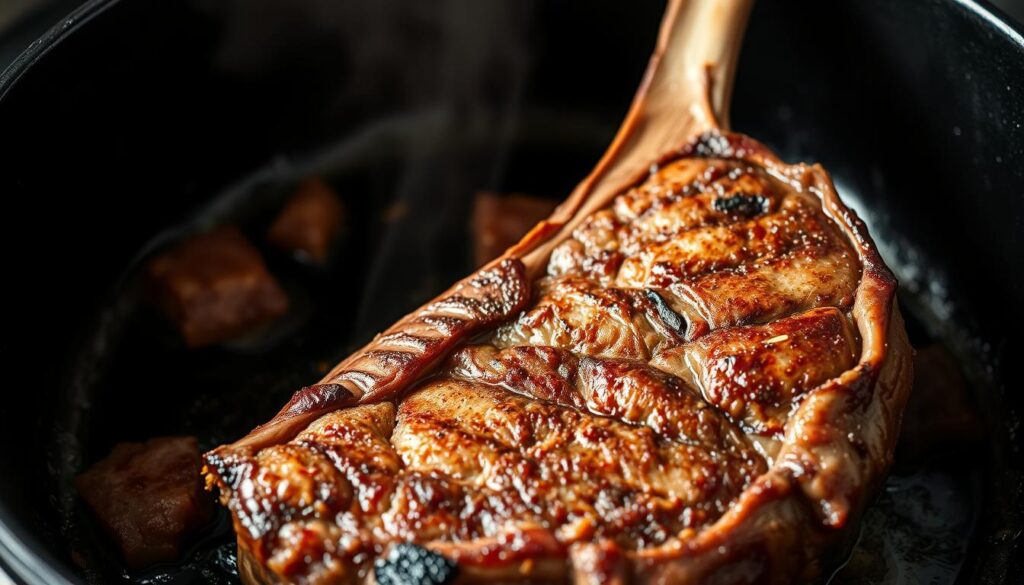
- Skipping the Browning Step: Not searing the meat before braising misses out on deep flavors. The Maillard reaction makes a delicious crust that boosts the taste.
- Rushing the Cooking Process: Beef shank needs patience. Cooking it slow breaks down tough tissues, making it tender.
- Under-Seasoning: This meat needs bold, generous seasoning to highlight its flavor.
Temperature control is key when cooking beef shank. Cooking it too hot can make it tough. Aim for a low, consistent temperature for tender meat.
Pro tip: Always remove excess oil from your cooking liquid. This makes a cleaner, more refined sauce that goes well with the beef shank.
Avoiding these mistakes can make your beef shank amazing. Remember, mastering this cut takes practice. But the delicious results are worth it.
Serving Suggestions and Pairing Ideas
To make your beef shank recipe special, think about the sides and drinks you serve. A well-cooked beef shank stew needs sides that match its rich taste and soft meat.
Delectable Side Dish Recommendations
Choosing the right sides can make your beef shank stew unforgettable. Here are some tasty options:
- Creamy garlic mashed potatoes
- Fluffy yellow rice
- Peach and arugula salad
- Southern cucumber-tomato salad
- Roasted root vegetables
Wine and Beverage Pairings
The bold taste of beef shank recipe needs wines and drinks that match its strength. Here are some top picks:
- Red Wines: Cabernet Sauvignon, Malbec, Syrah
- Beer: Dark stouts, amber ales
- Full-bodied red blends
- Robust craft beer selections
When picking your pairings, aim to match the beef shank’s bold flavor. Choose sides and drinks that add to the dish without overpowering it.
Storage and Reheating Tips
Storing and reheating your beef shank recipe right keeps its flavors and texture great. It’s key to know how to cook and store beef shank well. This way, you get the most out of your meal.
Here’s how to store cooked beef shank:
- Refrigerate beef shank in an airtight container with its cooking liquid
- Keep refrigerated beef shank for up to 3 days
- Freeze beef shank for extended storage up to 3 months
Freezing needs careful steps to keep the meat good. Wrap the beef shank tightly in freezer-safe plastic wrap or vacuum-sealed bags. This stops freezer burn and keeps the meat moist and flavorful.
Reheating is important to keep the beef shank tender:
- Stovetop method:
- Use low to medium heat
- Add a splash of broth to prevent drying
- Stir gently to distribute heat evenly
- Oven method:
- Preheat oven to 375°F
- Cover beef shank with foil to retain moisture
- Heat until internal temperature reaches 165°F
Pro tip: Always reheat beef shank gently to prevent toughening the meat. Adding fresh herbs or a bit of braising liquid can bring back the flavors. It keeps the dish moist and tasty.
Conclusion
Learning to cook beef shank makes any meal special. This tough meat becomes tender and delicious with the right cooking. Slow cooking and controlling temperature are key to making it melt in your mouth.
Getting good at cooking beef shank takes time and effort. You’ll get better with each try, from picking the right cut to using the best seasonings. Always cook it low and slow to make it tender and rich.
Try out different recipes and methods to grow your cooking skills. Beef shank can be braised or smoke-braised, offering endless possibilities. Be bold with new flavors to turn this simple cut into a gourmet dish.
Now you can make amazing beef shank dishes at home. Your cooking journey is just starting, and the tasty options are limitless.
3 thoughts on “How to Cook Beef Shank for Perfect Tenderness Every Time”